

Medical malpractice cases are initiated by a patient who suffered harm due to negligence. In some circumstances, they can also be brought by members of the patient’s family. In any medical malpractice case, a plaintiff must introduce evidence that establishes three key elements. Our expert Florida medical malpractice attorneys have aggressively represented medical malpractice victims for over 45 years. We invite you to visit www.babbitt-johnson.com to learn more about our firm and continue reading to understand the key elements in making a medical malpractice case. The Three Key Elements in a Medical Malpractice Case are: -Negligence -Proximate (immediate) cause -Damages Failure to prove any one of these key elements means that the plaintiff has not made their case. And there are no exceptions to that rule. It is important to understand how courts, and juries, define these elements. We have broken down these definitions to help you understand medical malpractice cases better. 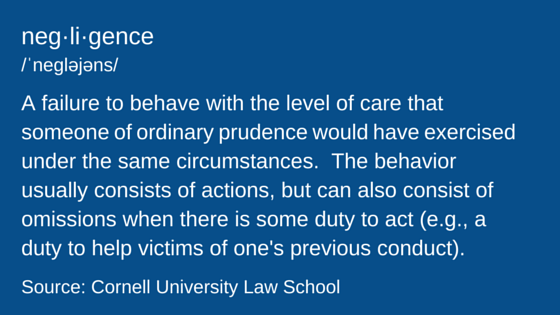 Negligence Negligence is defined as the failure to use ordinary care. In a medical malpractice case, this means that the health care provider – or hospital – failed to do something that was in keeping with accepted medical or nursing practice. In other words, they failed to take the reasonable steps that another professional in their shoes would have.
 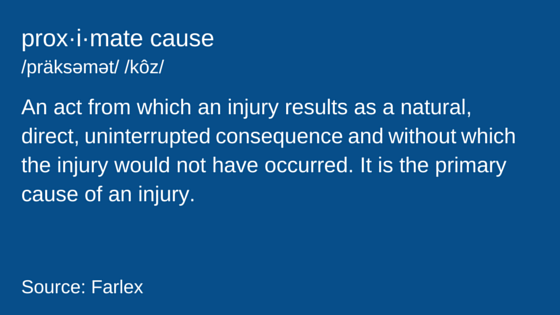 Proximate Cause Proximate cause is a legal concept that essentially means the defendant’s action – or inaction – caused the result at issue. In all cases, it is essential to prove that the health care provider’s negligence did in fact cause the plaintiff’s injuries – and that this injury (or one similar to it) would have been reasonably foreseeable as a result of the defendant’s failure to render appropriate care. In short: The injury wasn’t a one-in-a-million occurrence, but something likely to happen given the provider’s negligence.
 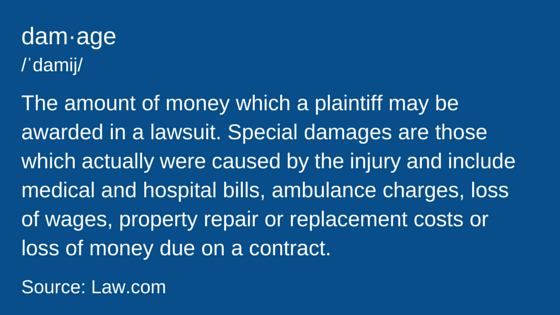 Damages Damages mean the amount of money a plaintiff might be awarded during a lawsuit, however, in this case, damage is the harm to the patient that directly results from the health care provider’s negligence. It isn’t just the physical harm, either, but the emotional and financial suffering the plaintiff has experienced as a result of the incident. If you have questions in regards to medical negligence we invite you to read our medical malpractice case FAQs. If you or a loved one has been injured, contact us for a free medical malpractice case consultation to review your options.